This Is Only the Beginning: THC Beverages Are "Killing" Alcohol, Drinking Rates Hit 30-Year Low

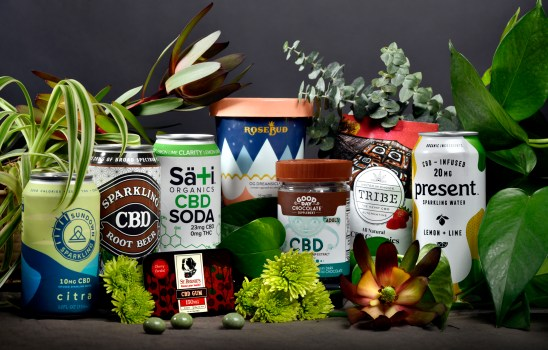
According to a recent survey, people who drink cannabis beverages containing tetrahydrocannabinol (THC) are significantly reducing or quitting their alcohol consumption. Data shows that regular consumers of cannabis THC beverages report drinking 44% less alcohol than before; even more strikingly, up to 20% of cannabis beverage consumers have completely quit drinking alcohol.
Soaring Cannabis Consumption Shakes Up the Alcohol Industry, Drinking Rates Hit 30-Year Low
A new market report from alcohol and beer giant Constellation Brands also reveals this major shift in consumer behavior, suggesting it could reshape the alcohol industry. It forecasts a significant drop in alcohol sales over the next year, clearly reflecting how the nationwide cannabis wave is changing people's social and recreational habits. The group states that beer sales are expected to decrease by $185 million, while wine and spirits sales could drop by another $253 million.
This decline coincides with three major social changes: the de-normalization of drinking, the normalization of non-drinking lifestyles, and consumers' growing preference for cannabis products. These factors together are driving robust growth for cannabis, whose popularity is steadily surpassing alcohol, especially among younger consumers. Research indicates that only 54% of Americans reported drinking alcohol in 2025, down from 67% in 2022. Meanwhile, as more people turn to legal cannabis products for recreation and wellness, the surge in cannabis consumption is set to continue. The U.S. National Library of Medicine found that adolescents and young adults are drinking less, getting drunk less frequently, and often choosing cannabis instead of alcohol, signaling a profound cultural shift is underway.
Indeed, alcohol is so deeply embedded in our culture that we have normalized the damage it causes. Now, however, we are experiencing a voluntary, large-scale substitution. THC beverages are quietly "killing" alcohol, and this is only the beginning.
The Alcohol Problem No One Wants to Acknowledge
Professor David Nutt, one of the UK's leading drug researchers, created a multi-criteria harm scale and ranked drugs based on the harm they cause to both users and others. This study was published in The Lancet. The findings revealed that when considering harm to both the individual and society, alcohol was the most harmful drug overall. When factors like violence, accidents, healthcare costs, and social disruption are considered, alcohol's harm even exceeded that of heroin, crack cocaine, or methamphetamine.
The Harm and Cost of Alcohol
- Violence and Crime: Data shows alcohol is involved in approximately 40% of violent crimes, including homicide, assault, and sexual assault. The U.S. Centers for Disease Control and Prevention (CDC) estimates that excessive alcohol use leads to over 140,000 deaths annually in the U.S. alone. Consider this: more Americans die from alcohol each year than from drug overdoses, yet it's rarely discussed. Domestic violence is also strongly linked to alcohol, with studies indicating that 25% - 50% of incidents involve alcohol. The relationship is bidirectional and complex, but alcohol's disinhibiting effects and its role in escalating conflict are well-documented.
- Traffic Fatalities: Despite decades of public awareness campaigns and stricter DUI laws, alcohol is still responsible for about 31% of all traffic deaths in the U.S. This means drunk driving alone causes approximately 13,000 deaths each year. These numbers remain stubbornly high despite increased enforcement and shifting cultural attitudes.
- Health Impacts: Long-term alcohol use leads to liver disease, cardiovascular disease, various cancers, pancreatitis, and neurological damage, among other issues. The World Health Organization estimates that alcohol causes 3 million deaths globally each year. Alcohol is essentially a toxic substance, but because humans have been consuming it for thousands of years, we have become accustomed to and normalized it.
- Economic Cost: The CDC estimates that excessive drinking costs the U.S. economy $249 billion annually when considering healthcare expenses, lost productivity, criminal justice costs, and other impacts. This means the government spends $249 billion each year dealing with the consequences of alcohol.
- Addiction and Dependence: Data shows about 14.5 million Americans have an Alcohol Use Disorder — a proportion far higher than those with Cannabis Use Disorder, despite there being more cannabis users. Alcohol withdrawal can be fatal, whereas cannabis withdrawal, while uncomfortable, is not life-threatening.
Imagine if THC beverages could help 20% of drinkers quit entirely and allow a significant portion of others to reduce their consumption by 44%. The impact on public health would be staggering. Reducing alcohol harm by allowing people to voluntarily choose a less harmful alternative they genuinely prefer — cannabis THC beverages — is an excellent option.
The Powerful Substitution Effect of Cannabis THC Beverages
The substitution effect of cannabis THC beverages is so powerful because it is voluntary and market-driven. People aren't being forced to switch from alcohol to THC beverages by taxes, regulations, or moral campaigns; the key is that they prefer the experience. This is crucial because decades of public health campaigns, sin taxes, and awareness programs have done little to reduce alcohol consumption effectively.
People know alcohol is harmful, that drunk driving kills, that it damages the liver, and they have witnessed the consequences firsthand. Yet, they still drink because alcohol provides what they want: relaxation, social lubrication, and stress relief.
THC beverages, it turns out, can offer similar effects — they can promote relaxation, enhance sociability, and relieve stress — but without the specific toxicity of alcohol. They don't cause hangovers, are not physiologically toxic to organs, don't make people aggressive or violent, and don't impair judgment to the point of leading to dangerously risky decisions.
The emergence of THC beverages as a voluntary alcohol substitute should be welcomed and supported by public health policymakers. Rather than obstructing cannabis legalization, health authorities should ride this wave, conducting more research to accelerate this substitution effect. For example: determining optimal dosing for social use, establishing clear labeling standards, ensuring product safety and consistency, and creating regulatory frameworks that allow these products to compete on a level playing field with alcohol, with sensible tax policies and equal commercial marketing access.
The reality is this: every percentage point reduction in alcohol consumption means thousands of lives saved, billions of dollars in economic costs avoided, and immeasurable improvements in public health and safety.
Even if you personally don't like THC beverages, or you think it's just a fad, the growing data indeed suggests: THC beverages are quietly "killing" alcohol, one of society's most deadly problems.
END
Good News! Another New Cannabinoid Has Been Discovered
Related Article