The European Union has finally spoken: Hemp-derived CBD is not classified as a narcotic and can be freely traded between member states.
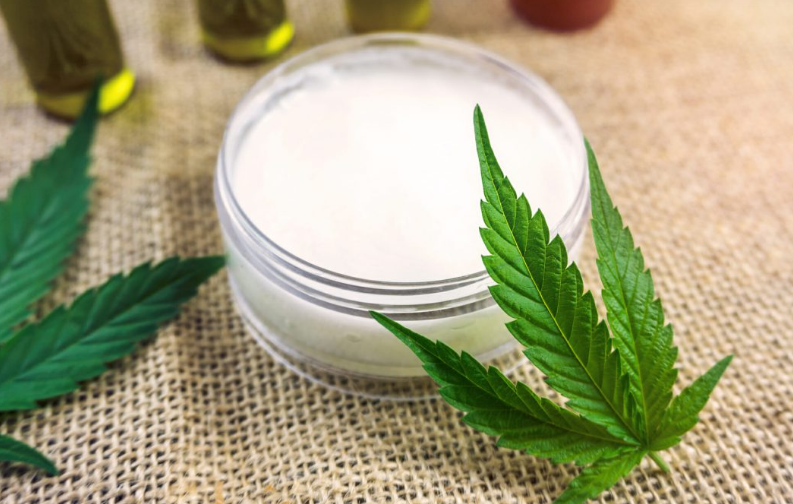
Recently, the European Commission responded to a clarification request from industry media regarding the recent decision by Portugal's National Authority of Medicines and Health Products (Infarmed) to withdraw several cosmetics containing cannabidiol (CBD) extracted from hemp plants from the market.
The response from the European Commission (EC) has introduced new elements to this debate, which are in complete contradiction to the stance of the Portuguese regulatory authority. The EC reiterated that classifying CBD as a narcotic (whether synthetic or extracted from hemp) does not align with the understanding of the Court of Justice of the European Union (CJEU) or European regulations. The EC also clarified that, at present, scientific evaluations are underway to determine the safety standards for CBD and THC in cosmetics.
Event Recap
Some time ago, the Portuguese National Authority of Medicines and Health Products (Infarmed) argued that, according to EU regulations, CBD extracted from the resin, tinctures, or extracts of the cannabis plant is classified as a narcotic. Infarmed stated that it is a "common misconception" to believe that CBD is an authorized ingredient in cosmetics simply because it is listed in the EU Cosmetics Ingredients Database (CosIng). The agency emphasized that the inclusion of an ingredient in the CosIng database does not in itself signify authorization, and only the EU Cosmetics Regulation (EC) No 1223/2009 holds legal authority on this matter.
In fact, Infarmed's interpretation directly conflicts with a 2020 ruling by the European Court of Justice (ECJ), which determined that CBD does not fall under the category of narcotics and should not be restricted in the free trade between EU member states.
Subsequently, the Portuguese regulatory authority faced widespread criticism for its decision to remove several cosmetics containing cannabidiol (CBD) from the market. This move was deemed to violate EU laws regarding the free circulation of CBD products and goods, sparking significant concern within the industry.
In response to the clarification request from the industry, the European Commission acknowledged that there is a lack of consensus among member states, and to date, the practices of each member state have not been uniform.
It is understood that the clarification provided by the European Commission is based on the "2020 ruling by the European Court of Justice on Case C-663/18," which pertains to the "Kanavape (e-cigarette) case." In this case, the European Court of Justice ruled that CBD, whether synthesized or extracted from the whole plant, is not considered a narcotic. This is the fundamental reason why the European Commission believes that CBD from industrial hemp, as well as synthetic CBD, "is not subject to the restrictions of Annex II, entry 306, of Regulation (EC) No 1223/2009 and is therefore not considered a prohibited substance in cosmetics."
The ruling by the European Court of Justice is based on the 1961 United Nations Convention, which states that CBD extracted from the cannabis plant (cannabis sativa), including its flowers, does not possess the properties of a narcotic. Additionally, the European Court of Justice has ruled that EU member states cannot prohibit the sale of CBD products legally produced in another member state unless they can provide scientific evidence of potential harm.
In practice, the ruling of the European Court of Justice in the Kanavape case is of paramount importance, as it established case law by explicitly stipulating that member states such as Portugal cannot prohibit the sale of CBD that is legally produced in another EU country.
The General Directorate of Food and Veterinary Affairs in Portugal also acknowledges that CBD is currently the most troublesome issue for them. Although hemp producers claim to use the entire plant—and several countries permit the extraction of CBD—in Portugal, the development and use of hemp flowers and the extraction of CBD are prohibited due to the lack of scientific evidence based on public health protection.
In response, the European Commission has reiterated that any restrictions on the marketing of cosmetics containing hemp-derived CBD must be well-justified and should not exceed what is necessary to ensure consumer safety. The European Commission has also clarified that, due to various disputes surrounding the extraction of CBD from hemp (particularly concerning THC residues), it has requested the Scientific Committee on Consumer Safety (SCCS) to conduct a scientific evaluation of the safety of CBD in cosmetics, including defining the safe level of THC residues in the final product.
The European Commission further explained that there is still no consensus among EU member states on the regulation of CBD in cosmetics, and so far, there is no unified approach.
In fact, the European Union's Scientific Committee on Consumer Safety (SCCS) initiated a scientific assessment of the safety of CBD in cosmetics in June 2023. The public consultation period will last until September 2024 to gather relevant scientific data. According to the latest information, the SCCS agreed in January 2025 to conduct a detailed study, with the final opinion expected to be released within 15 months, i.e., by April 2026.
The European Commission added that regulatory measures may be taken in the future to harmonize the rules for hemp-derived CBD in cosmetics across the European Union, but this will depend on the research and findings of the SCCS.
END
How Do Trump's Tariffs on China Affect the U.S. Cannabis Industry?
Breaking News! The United Nations Takes Action Again, with China's Support and the United States Abstaining.
Related Article