By 2030, the Global Legal Cannabis Market will Exceed $110 Billion, and the Cannabis Medicine Market will Reach $72.7 Billion

The analysts’ latest market forecasts highlight the strong profit potential of this emerging international industry.
“The global legal cannabis market size was valued at $33.8 billion in 2024 and is expected to reach $110.1 billion by 2030, growing at a CAGR of 21.8% between 2024 and 2030,” Research and Markets said in a press release.
“The global legal cannabis market has experienced unprecedented growth driven by increasing legalization, growing medical applications, and changing consumer attitudes toward cannabis use,” the press release reads. “Governments around the world are recognizing the economic and medicinal potential of cannabis, driving broad and deep regulatory reforms.”
Driven by increasing consumer acceptance and regulatory reforms, the global legal cannabis market provides opportunities for expanding medical and health applications. Growth areas include CBD-based products, e-commerce and sustainable cultivation methods, with great potential in markets such as the United States, Canada and China.
The press release also states: "The legalization of cannabis for medical and recreational use in major markets such as the United States, Canada and parts of Europe has created a huge business opportunity."
More than 100 countries around the world have taken steps to legalize medical marijuana, and the medical marijuana industry model varies. Some models are very limited, allowing only safe access to some products for specific conditions, while others provide multiple safe access options for patients with a variety of diseases.
In addition, Uruguay, Canada, Malta, Luxembourg, Germany and South Africa have passed national adult-use legalization measures, although not all of these countries currently allow regulated adult-use sales. The Netherlands and Switzerland are conducting regional adult-use commercial pilots, and 24 states in the United States have approved recreational marijuana policies.
The emerging international legal cannabis industry is clearly comprised of various segments, with some specific segments expected to experience greater growth than others in the future. Growing awareness of cannabis-derived compounds such as cannabidiol (CBD) and tetrahydrocannabinol (THC) is stimulating demand across multiple industries including pharmaceuticals, healthcare, cosmetics, and food and beverages.
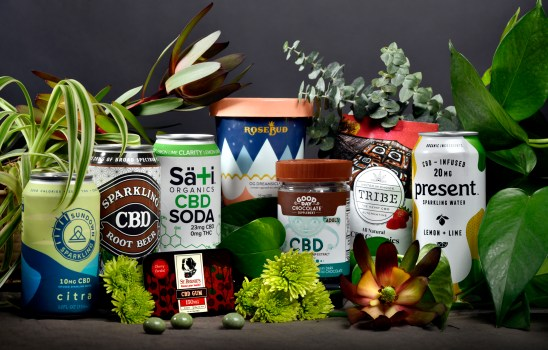
In many legal markets, cannabis beverages are increasing in availability and popularity, with Coherent Market Insights recently predicting that “the global cannabis beverages market size is expected to reach $251.7 million in 2025 and is projected to reach $1,054.4 million by 2032.”
The pharmaceutical cannabis sector is another area of the industry that holds great potential, with many governments around the world still only allowing the sale of cannabis medicinal products within their jurisdictions.
According to an industry market analysis report released by Research and Markets, it was found that "the global cannabis pharmaceutical market size was estimated at US$5.2 billion in 2024 and is expected to reach US$72.7 billion by 2030, with a compound annual growth rate of 55.1% from 2024 to 2030."
A common regulatory requirement in legal cannabis markets around the world is that cannabis products must be tested for contaminants and cannabinoid content, among other things. Cannabis testing requirements are likely to become an important part of the future legal cannabis trade.
Economic researchers at Future Market Insights predict that “the global automated cannabis testing market will see significant expansion, with industry experts predicting a compound annual growth rate (CAGR) of approximately 11% to 13% between 2022 and 2032.”
The expansion of cannabis cultivation and product innovation, including edibles, oils, tinctures, and infused beverages, further contributed to market growth, the report said. In addition, investments in cannabis research have led to the development of new treatments for chronic pain, epilepsy, anxiety, and neurological disorders. The integration of technology in cannabis cultivation and distribution, such as AI-driven crop monitoring and blockchain-enabled supply chain tracking, has improved operational efficiency. With the continued development of regulatory frameworks and increasing consumer acceptance, the legal cannabis industry is expected to continue to expand.
Emerging Trends in the Legal Cannabis Industry
The legal cannabis industry is undergoing a major transformation, with several key trends shaping its future. One of the most notable trends is the growing demand for cannabis-based health and wellness products, including CBD-infused supplements, skincare, and functional beverages. Another important trend is the expansion of cannabis retail and e-commerce platforms, which make cannabis products more accessible to consumers through online sales and home delivery services. The rise of premium and artisanal cannabis products has also gained traction as consumers seek high-quality, sustainably grown cannabis varieties.
In addition, the growing adoption of cannabinoid ingredients in the pet care industry, as well as CBD-based anxiety and pain relief therapies for animals, are expanding the market scope. Advances in cannabis cultivation technologies such as hydroponics and vertical farming are also improving crop yields and product consistency. In addition, the rise of corporate investment and mergers and acquisitions in the cannabis industry is accelerating industry consolidation and giving rise to multinational cannabis brands. As global regulatory frameworks continue to evolve, cross-border cannabis trade and international market expansion are becoming important growth poles.
Growth Drivers of the Legal Cannabis Market
The growth of the legal cannabis market is driven by increasing legalization efforts around the world, expanding medical research, and growing consumer demand for cannabis-based health products. The growing popularity of cannabis as an alternative to traditional medicines has boosted sales of medical cannabis, while the recreational cannabis sector continues to attract new users. The expansion of cannabis retail infrastructure, including pharmacies and e-commerce platforms, is also increasing product accessibility.
From genetic engineering to artificial intelligence analysis, investments in cannabis technology have improved cultivation efficiency and product innovation. In addition, the growing popularity of sustainable cannabis cultivation methods has also enhanced the market's appeal to environmentally conscious consumers. As the legalization of cannabis continues to advance, we expect the global legal cannabis market to grow exponentially in the coming years.
Challenges and Obstacles Still Exist
Despite the strong growth, the legal cannabis market faces several challenges that could affect its long-term expansion. One of the main obstacles is regulatory uncertainty, as cannabis laws vary widely across jurisdictions, creating compliance complexities for businesses. The continued stigma surrounding cannabis use, especially in conservative regions, remains a major challenge to mainstream acceptance of cannabis. Additionally, cannabis businesses are subject to banking and financial constraints due to federal regulations in certain countries, which limits businesses’ access to traditional financing and payment processing services.
The illegal cannabis market will continue to compete with legal businesses, as black market operators often offer lower prices and are exempt from taxes and regulatory costs. In terms of the supply chain, inconsistent product quality and product shortages may also disrupt market stability, while the lack of standardized testing and labeling requirements may also raise concerns about product safety and efficacy.
Additionally, high taxes and compliance costs associated with legal cannabis production could impact profitability for small and medium-sized businesses. Overcoming these challenges will require clear regulations, better consumer education, and continued industry collaboration to ensure sustainable market growth.
END
Boxing Champion Tyson Leads a Group of Celebrities to Urge Trump to Promote Marijuana Reform, Expand Pardons and Reclassify
Can this legislator succeed in increasing the THC content from 0.3% to 1%?
Related Article