What does cannabis do to your body?
author: Amy
2025-06-24

The effects of cannabis consumption can vary depending on factors such as the method of ingestion, dosage, individual tolerance, and the specific strain of cannabis used. In this comprehensive discussion, we will explore how cannabis interacts with the body's systems and the physiological effects it produces.
1. Central Nervous System:
When cannabis is consumed, THC crosses the blood-brain barrier and binds to cannabinoid receptors in the brain, specifically the CB1 receptors. These receptors are part of the endocannabinoid system, which plays a crucial role in regulating various physiological processes, including mood, memory, appetite, pain perception, and movement. Activation of CB1 receptors by THC can lead to a range of effects, including:
- Euphoria: THC's interaction with the brain's reward system can produce feelings of happiness and pleasure, commonly referred to as a "high."
- Altered perception: Cannabis can distort sensory perceptions, leading to changes in sight, sound, taste, and touch.
- Impaired coordination: THC can affect motor skills and coordination, leading to difficulties in tasks such as driving or operating machinery.
- Memory impairment: Cannabis use can impact short-term memory and cognitive function, making it difficult to retain new information.
- Increased appetite: Often referred to as "the munchies," cannabis can stimulate appetite and enhance the enjoyment of food.
CBD, on the other hand, does not directly bind to CB1 receptors but can modulate the effects of THC and interact with other receptors in the brain. CBD has been studied for its potential anti-anxiety, anti-inflammatory, and neuroprotective properties.
2. Cardiovascular System:
Upon consumption, cannabis can have both acute and long-term effects on the cardiovascular system. Acutely, THC can cause an increase in heart rate and blood pressure, which may be concerning for individuals with preexisting heart conditions or hypertension. However, these effects are typically mild and transient.
Long-term cannabis use has been associated with potential cardiovascular risks, such as an increased risk of cardiovascular events, including heart attacks and strokes. Chronic cannabis smoking can also lead to respiratory issues similar to tobacco smoking, such as chronic bronchitis and cough. It is essential for individuals with cardiovascular concerns to consult with their healthcare provider before using cannabis.
3. Respiratory System:
Smoking cannabis can have negative effects on the respiratory system due to the inhalation of toxins and irritants present in marijuana smoke. Regular cannabis smokers may experience symptoms such as coughing, wheezing, and bronchitis. Long-term cannabis smoking has been associated with an increased risk of respiratory infections and lung diseases.
Alternative methods of cannabis consumption, such as vaping or edibles, may reduce the respiratory risks associated with smoking. However, it is essential to be aware of potential health concerns related to these methods, such as the safety of vaping devices and accurate dosing of edibles.
4. Immune System:
Research on the effects of cannabis on the immune system is complex and multifaceted. While some studies suggest that cannabinoids, particularly CBD, may have immunomodulatory properties and anti-inflammatory effects, other research indicates that chronic cannabis use could potentially suppress immune function and increase susceptibility to infections.
Individuals with compromised immune systems, such as those with autoimmune disorders or undergoing immunosuppressive treatments, should exercise caution when using cannabis and consult with their healthcare provider to assess potential risks and benefits.
5. Endocrine System:
Cannabis can influence hormonal regulation in the body, primarily through its interaction with the endocannabinoid system. THC has been shown to affect hormone levels, including reducing levels of stress hormones like cortisol and impacting the release of reproductive hormones such as estrogen and testosterone. These hormonal changes could have implications for fertility, sexual function, and overall hormonal balance.
6. Digestive System:
Consuming cannabis orally, typically through edibles, can have significant effects on the digestive system. Cannabis can stimulate appetite, increase gastric acid secretion, and promote gastrointestinal motility. These effects can be beneficial for individuals with conditions like nausea, poor appetite, or gastrointestinal disorders.
However, high doses of cannabis edibles can lead to gastrointestinal discomfort, such as nausea, vomiting, or diarrhea. It is crucial for individuals using edibles to start with low doses and monitor their response carefully to avoid adverse gastrointestinal effects.
7. Mental Health:
Cannabis use has been linked to various mental health outcomes, both positive and negative. While some individuals report improved mood, relaxation, and stress relief with cannabis use, others may experience negative effects, such as anxiety, paranoia, or psychosis. Factors that can influence the mental health effects of cannabis include the individual's mental health history, the dose consumed, the setting in which cannabis is used, and the specific strain of cannabis.
Chronic cannabis use, particularly in high doses, has been associated with an increased risk of developing psychiatric disorders, such as schizophrenia and bipolar disorder. It is essential for individuals with mental health concerns to be cautious when using cannabis and to seek professional guidance if needed.
8. Pain Perception:
One of the most well-known therapeutic applications of cannabis is its potential to alleviate pain. Both THC and CBD have shown analgesic properties and can modulate pain perception through interaction with cannabinoid receptors in the brain and spinal cord. Cannabis has been used to manage various types of pain, including chronic pain, neuropathic pain, and inflammatory pain.
However, the effectiveness of cannabis for pain relief can vary among individuals, and not all types of pain may respond optimally to cannabis treatment. It is important for individuals seeking pain relief with cannabis to work closely with healthcare professionals to develop a personalized treatment plan and monitor their response to treatment.
In summary, cannabis interacts with the body through its active compounds, THC and CBD, affecting various physiological systems and functions. The effects of cannabis can be complex and multidimensional, influencing cognition, mood, perception, appetite, cardiovascular function, respiratory health, immune response, hormonal regulation, digestion, mental health, and pain perception.
Individual responses to cannabis can vary widely, depending on factors such as dosage, method of consumption, individual tolerance, and underlying health conditions. While cannabis has potential therapeutic benefits, it also carries risks, particularly when used recreationally or in excess. It is crucial for individuals considering cannabis use to be informed about its effects, consult with healthcare providers as needed, and make informed decisions regarding its consumption.
END
Is cannabis safe for humans?
What kind of drug is cannabis?
Related Article

How are cannabis THC beverages solving the fatal problems associated with alcohol?
This Is Only the Beginning: THC Beverages Are "Killing" Alcohol, Drinking Rates Hit 30-Year Low
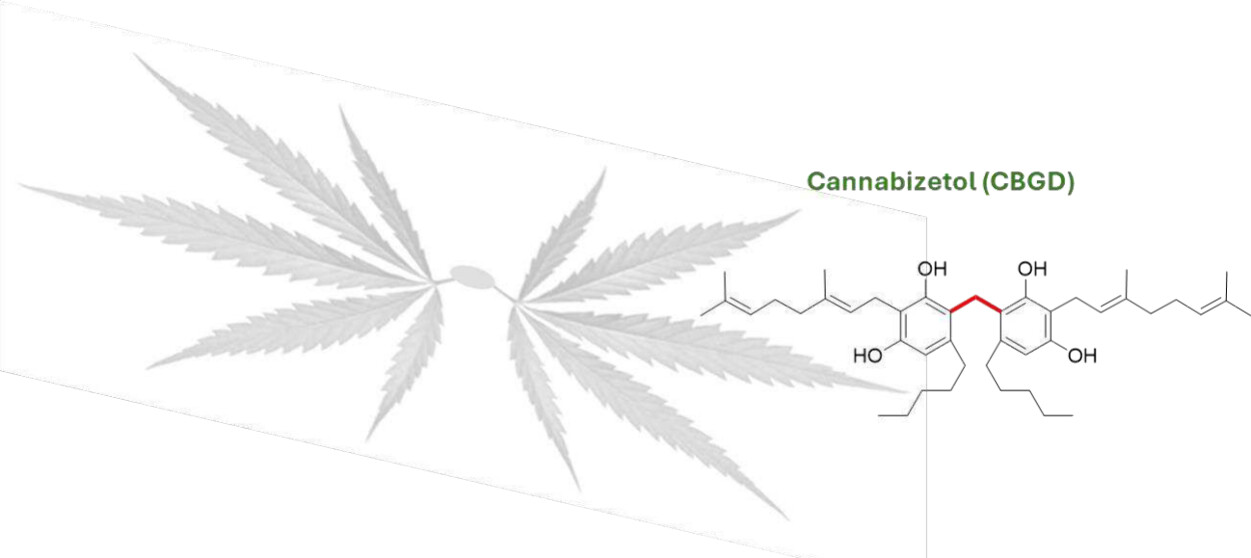
According to the latest media reports, scientists have discovered a new cannabis compound with "significant antioxidant and skin anti-inflammatory" properties, making cannabis particularly attractive as a source of potential medicinal active ingredients.
Good News! Another New Cannabinoid Has Been Discovered