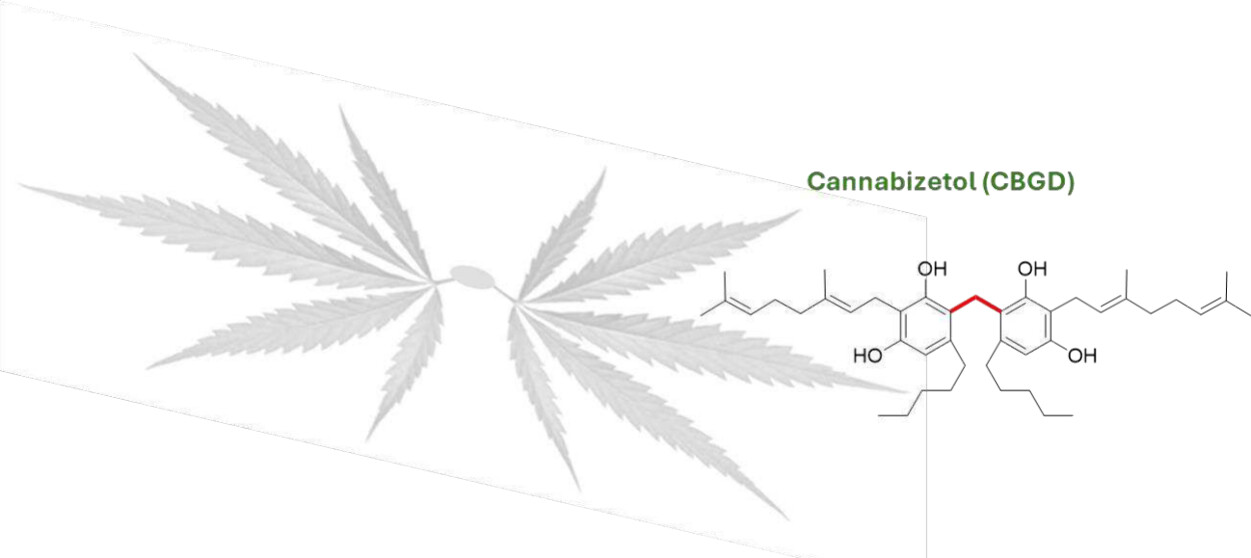
Major Discovery! The Global CBD Market may be Disrupted

As people have been holding out for non-cannabis-derived CBD, this may subvert the booming, multi-billion-dollar global CBD market.
Researchers have discovered the much-sought-after cannabinoid compound cannabidiol (CBD) in a light-colored shrub called Cordata that grows along Brazil's Atlantic coast and has been identified as a promising new source of cannabinoids, including cannabidiol (CBD), according to a study from the Federal University of Rio de Janeiro.
Trema micrantha, also known as Jamaican nettle tree or caprin, is a pantropical shrub with nearly 20 species, 6 of which are recorded as American plants. The plant is a traditional wasteland plant registered in Brazil, native to tropical and subtropical America, and grows naturally in Brazilian forests. In terms of plant properties, Trema micrantha is a sister group of the cannabis group of the genus Humulus and is a close relative of cannabis.
Mountain jute is widely used in Bolivia to treat coughs and heal wounds; in Mexico, traditional uses include timber products for house construction (timber for walls and roof supports) and folk medicine, and its leaves are also commonly used in baths to treat skin injuries.
The research team used specialized liquid chromatography and mass spectrometry to identify the compound and found that CBD was clearly present in the fruit and flowers of the plant. Next, they will study whether the shrub is suitable for commercial-scale CBD extraction.
In contrast to marijuana, mountain jute grows like a roadside weed, growing from seed to flower in a single tropical season, the study found.
Early tests suggest the plant’s berries contain far more CBD than its leaves or stems. But importantly, the absence of the psychoactive substance THC will allow it to comply with any strict regulations on THC residues. This alone would save processors the need for expensive THC extraction and purification processes.
The height of the plant also helps. A mature shrub can reach 66 feet (19 meters) tall, and in areas where heat, pests, or legal barriers prevent planting, its biomass will far exceed the yield of regular marijuana plants. Researchers believe that once marijuana is proven to be a viable source of THC-free CBD, the supply chain may be shortened and prices may fall.
Currently, a public grant worth 500,000 Brazilian reals (104,000 US dollars) will be used for the next stage of research: perfecting the extraction method and conducting preclinical tests.
Brazilian molecular biologist Dr. Rodrigo Moura Neto said in the report that the discovery of a plant rich in CBD and free of the psychoactive ingredient THC is "exciting" because "its potential is huge," as THC is still banned in most jurisdictions, or at least strictly regulated by most governments in the world.
"However, pharmacologists need to conduct detailed comparisons of CBD from mountain jute with CBD derived from cannabis or hemp to understand the effects and efficacy of this non-cannabis plant ingredient. It may be very effective, or it may not work at all," Dr. Neto noted in the report.
In fact, the main alternative method of obtaining cannabinoids is to use other species of cannabis plants that are easy to obtain and produce. Diversifying the sources of cannabinoids can more effectively address the sustainability and environmental issues associated with large-scale cultivation under less resource-intensive conditions, and can reduce over-reliance on a single species, thereby reducing the risk of crop failures due to pests and diseases or climate change, which requires stimulating innovation in agriculture and biotechnology. These advances will not only benefit the pharmaceutical industry, but will also have a significant impact on other areas such as the food, cosmetics and health products industries.
There are some problems, however. Even with the high CBD content in the berries of mountain hemp, total yields per acre currently lag several orders of magnitude behind those of specialized hemp varieties. Agronomists must delve into whether fertilization regimens, pruning schedules or controlled stress can push the plant's metabolic pathways to produce a richer resin.
Additionally, if early toxicology proves safety, clinical trials could last five to ten years. Extraction facilities must also demonstrate that ingredients extracted from the mountain jute plant can meet pharmacopoeia purity standards and that they can maintain a steady supply. If ongoing studies confirm its effectiveness and scalable production, hemp could join its newly famous cousin in the spotlight.
It is worth mentioning that the Brazilian study builds on another previous study that found a similar ingredient in a related shrub in Thailand, but it has never been produced commercially.
Industry reports say global sales of hemp-derived CBD approached $5 billion last year and could grow to more than $47 billion by 2028. These figures have already attracted the attention of pharmaceutical giants, cosmetic brands, and food and beverage startups, and the ability to obtain CBD with the same commercial value from non-regulated sources could soon be a game changer for the industry.
END
Will the UK government’s “Brexit reboot” drag the CBD industry back to square one?
Boxing Champion Tyson Leads a Group of Celebrities to Urge Trump to Promote Marijuana Reform, Expand Pardons and Reclassify
Related Article