Industry Disruptors Are Coming! THC-Free Hemp Varieties Are Coming Soon
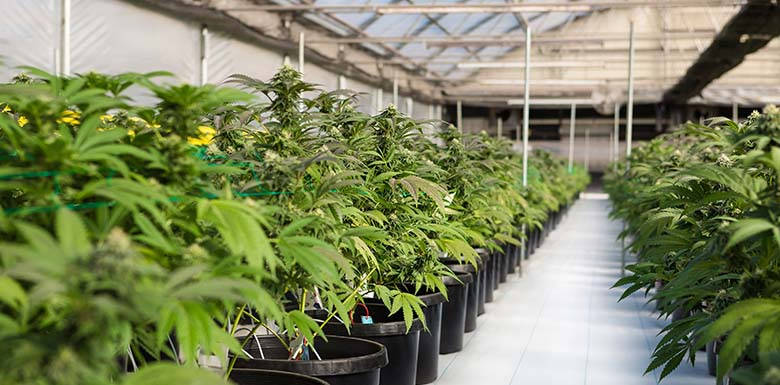
The innovative strain, called Badger G, was developed in collaboration with researchers at the University of Wisconsin-Madison's Crop Innovation Center and is expected to be commercially available within the next three to four months.
The THC-free hemp variety, Badger G, stands out because it contains no THC, the intoxicating psychoactive compound found in the cannabis plant. Instead, this hemp variety has been genetically engineered to produce neither CBD/CBDA nor THC/THCA, while retaining high levels of CBG (cannabigerol), a lesser-known but promising cannabinoid often referred to as the "mother of cannabinoids.
Importantly, CBG itself has garnered significant attention for its potential medical benefits, despite traditionally being expensive to produce. Numerous preliminary studies and anecdotal evidence suggest that CBG can effectively reduce inflammation and help treat certain neurodegenerative diseases, such as Huntington's disease. CBG also shows promise in treating glaucoma and possesses unique antibacterial properties, potentially even against antibiotic-resistant bacteria like methicillin-resistant Staphylococcus aureus (MRSA).
According to Madison-based cannabis company Herbal Aspect, Badger G's THC-free nature makes it a game-changer for processors, manufacturers, and retailers, particularly those operating in highly regulated environments. In markets where THC is strictly restricted or has zero tolerance policies, this highly reliable THC-free hemp variety opens up new possibilities for product development, production, and distribution.
A spokesperson for Herbal Aspect said: “Because Badger G hemp is THC-free, the industry can confidently and transparently develop a range of THC-free health and therapeutic products.”
In fact, Badger G has been approved by the U.S. Department of Agriculture for agricultural production in 2024, which is expected to change the agricultural landscape. The decision was made by the U.S. Animal and Plant Health Inspection Service (APHIS), which determined that Badger G is unlikely to pose a greater risk of plant pests and diseases than traditionally grown hemp crops. From a plant pest and disease risk perspective, this genetically modified plant can be safely cultivated, grown, and produced in the United States.
Reportedly, Badger G was developed to help farmers mitigate the significant revenue losses caused by the destruction of hemp crops with THC levels exceeding legal limits. According to the University of Wisconsin's Crop Innovation Center, 25% of hemp grown in the United States is discarded because its THC content exceeds the federal regulatory threshold of 0.3%. Through precise gene knockout technology, meticulous hybridization, and cultivation, Badger G can produce more stable, THC-free hemp, significantly reducing the regulatory and cost risks faced by farmers.
Badger G is THC-free, achieved by knocking out the endogenous CBDAS gene through gene editing using CRISPR/Cas9 technology. This not only makes it attractive to patients seeking to avoid psychoactive effects, but also makes it more suitable for children, the elderly, or professionals undergoing drug testing. Badger G's wider consumer accessibility is expected to position the product strongly in the healthcare and wellness markets in the United States and beyond.
For hemp processors and product developers, the availability of THC-free strains like Badger G means fewer headaches when it comes to legal compliance and labeling. Many cannabis businesses face hurdles when trying to sell products containing even trace amounts of THC, especially in states with stricter cannabis laws. Being 100% THC-free could completely eliminate those concerns.
Additionally, being able to cultivate THC-free strains from the source, rather than relying on post-processing to remove them, saves time and resources while ensuring consistency in the final product.
As consumers increasingly appreciate the health benefits of cannabinoids like CBD and CBG, demand for THC-free products is expected to surge. Badger G may just be the beginning of a shift toward non-psychoactive, cannabinoid-rich hemp strains that offer both health benefits and regulatory compliance.
With just months left until the official launch of this new product, Badger G is poised to establish Wisconsin as a leader in cutting-edge THC-free hemp innovation and provide a safer, more research-backed alternative to the growing industry.
The emergence of Badger G highlights the enormous potential of genetically modified hemp, promising to revolutionize industries from agriculture to healthcare. Through advanced genetic engineering techniques, hemp plants can be bred to produce specific cannabinoids, potentially increasing yields and eliminating the costs of crop losses. Furthermore, traits such as plant disease and pest resistance and cannabinoid content can be continuously enhanced, potentially eliminating the need for pesticides to ensure healthy crop yields.
According to industry market intelligence, the global industrial hemp market is experiencing significant growth. Its value was $9.47 billion in 2024 and is projected to reach $47.82 billion by 2032, a compound annual growth rate (CAGR) of 22.70%. This growth is primarily driven by increasing demand from various industries, including pharmaceuticals, food and beverages, textiles, and cosmetics.
We believe that as more technological innovations continue to emerge, the future prospects of the hemp industry will become brighter and brighter.
END
Colombian Government May Allow Sale of Medical Marijuana Flowers
Will the UK government’s “Brexit reboot” drag the CBD industry back to square one?
Related Article