Say Goodbye to Mediocrity! Why Is Your Packaging 10 Times More Expensive? The Secret Lies in These 7 Digital Decoration Techniques!
author: Annie
2025-10-10

Amid the global wave of digitalization, the printing industry is also radiating new vitality. The integration of traditional printing techniques with modern technology has given rise to numerous high-quality printed products that capture the imagination. Among them, digital decoration technology stands out as one of the most remarkable innovations. Through digital decoration, printed materials can achieve a deeper sense of dimensionality, rich textures, and a luxurious feel, offering designers, marketers, and brands broader creative possibilities to craft more appealing and emotionally resonant products.
What is digital decoration?
Digital decoration is a technique that enhances the quality of printed materials by adding special effects. Unlike traditional printing processes, digital decoration eliminates the need for conventional tools such as die-cutting plates and printing plates, instead utilizing digital printing technology to achieve more precise and flexible decorative effects. Techniques like foil stamping, spot UV, and embossing are common digital decoration methods, which can impart a stronger sense of three-dimensionality, texture, and visual impact to printed materials.
Types of Digital Decoration
Hot Stamping: Traditional hot stamping requires the use of metal stamping plates to transfer metallic foils such as gold or silver onto paper. In contrast, digital hot stamping eliminates the need for stamping plates and utilizes digital printing technology to more precisely control the position and size of the stamped patterns, adding a luxurious and high-end texture to printed materials. Hot stamping is commonly used in high-end printed products such as packaging boxes, invitations, and business cards, significantly enhancing the product's grade and value.
Partial UV: Partial UV is a special printing process that involves applying a layer of high-gloss UV ink to specific areas of a printed product, creating a bright, smooth mirror-like effect on the surface, which contrasts sharply with other matte areas. This technique is often used to highlight product logos, patterns, or text, making them more eye-catching and enhancing visual impact.
Embossing: The embossing process applies pressure through a mold to create localized depressions or protrusions on the paper, resulting in a three-dimensional effect. The development of digital embossing technology has enabled the precise rendering of complex and intricate patterns, adding a tactile delight to printed materials. The embossing technique is commonly used on book covers, packaging boxes, and more to enhance the texture and quality of products.
Texture Varnishing: Texture varnishing is a special printing technique that simulates various material textures. By applying a layer of UV ink with specific patterns on the printed surface, it can replicate the tactile feel of fabrics, leather, wood, and other materials, adding rich layers and a three-dimensional effect to the printed product. This technique is often used in high-end packaging boxes, albums, and other items to enhance the texture and artistic value of the product.
Laser Cutting and Engraving: Laser cutting and engraving technology enables precise cutting or engraving on materials such as paper, creating intricate patterns that are difficult to achieve with traditional craftsmanship. Through lasers, we can transform designers' imaginative ideas into reality, producing stunning three-dimensional effects.
3D Digital Embellishment: 3D digital embellishment technology can give printed materials a realistic three-dimensional effect, as if tiny hills or valleys are carved onto the paper. Compared to traditional embossing techniques, digital embellishment offers higher precision and flexibility, allowing for more intricate and detailed patterns. Additionally, 3D digital embellishment can be combined with processes like foil stamping or varnishing to further enhance the texture and visual appeal of printed products.
Digital Metallic Ink: Digital metallic ink is a new type of printing material that can directly create a metallic effect on substrates. Compared to traditional metallic inks, digital metallic ink offers higher color saturation and stronger adhesion, providing printed materials with a metallic luster and texture. It is commonly used for book covers, packaging boxes, and more, adding an elegant and sophisticated touch to products.
The Advantages of Digital Decoration
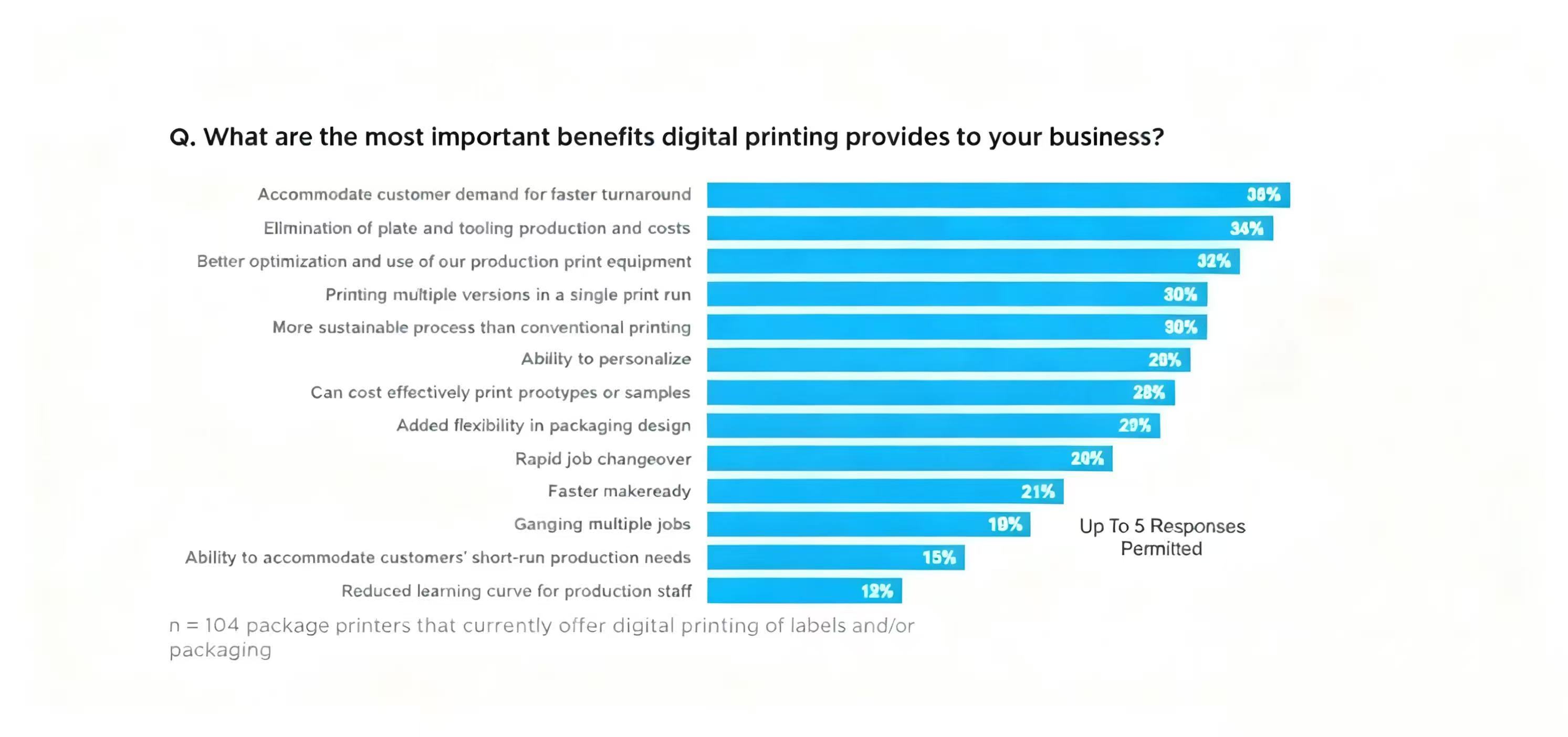
Digital decoration technology demonstrates numerous advantages compared to traditional decoration methods. Among them, adaptability to short-run printing and personalized design are its two most prominent features. The flexibility of digital decoration enables brands to create unique, customized printed products for different audiences. Additionally, digital decoration significantly reduces pre-press preparation time, improves work efficiency, and provides a more cost-effective solution for businesses.
Challenges and Considerations
Although digital decoration technology offers significant advantages, there are also some challenges that need attention. First, not all materials are suitable for digital decoration. Printers must carefully consider material selection to ensure optimal decorative results. Second, digital decoration places higher demands on the professional knowledge of operators and designers. They need to master relevant equipment and software to create the desired decorative effects. Finally, cost is also a factor that cannot be overlooked. While digital decoration holds a cost advantage in small-batch production, its expenses may exceed those of traditional processes in large-scale production. Therefore, when opting for digital decoration, companies need to comprehensively consider factors such as customization, flexibility, and cost.
The Future of Digital Decoration
With the continuous advancement of technology, digital decoration holds broad application prospects in the printing industry. More advanced digital decoration techniques will provide designers and brands with greater creative freedom, enabling them to produce more personalized and visually striking products. By integrating traditional printing processes with digital decoration technology, we can create printed materials that combine the texture of traditional craftsmanship with the flexibility and precision of digital technology, thereby better meeting consumers' demands for personalized, high-quality products.
Massive Data Reveals: How Digital Printing is Reshaping the Folding Carton Industry and Helping Brands Achieve Growth!
Technology Development Trends in the American Label and Packaging Industry
Related Article

54% of young people are willing to pay extra! Revealing how premium packaging captivates the younger generation through "tactile appeal"!


Digital printing is showing strong growth momentum in the packaging sector, with folding carton packaging holding particularly immense potential. According to a report by Straits Research, the global folding carton packaging market reached a scale of $141.43 billion in 2022. It is projected to grow to $208.73 billion by 2031, with a compound annual growth rate of 4.42%.
Massive Data Reveals: How Digital Printing is Reshaping the Folding Carton Industry and Helping Brands Achieve Growth!